Kids in Hot Cars Don’t Mix

As I write this there have been 9 childhood deaths related to being left in a hot vehicle.  It doesn’t even have to be that hot outside for the inside of the vehicle to heat up quickly.  To help prevent heat-related deaths remember to ACT:

A: Avoid heatstroke-related injury and death by never leaving your child alone in a car, not even for a minute. And make sure to keep your car locked when you’re not in it so kids don’t get in on their own.

C: Create reminders by putting something in the back of your car next to your child such as a briefcase, a purse or a cell phone that is needed at your final destination. This is especially important if you’re not following your normal routine.

T: Take action. If you see a child alone in a car, call 911. Emergency personnel want you to call. They are trained to respond to these situations. One call could save a life.

Kiddie Pools Pose Drowning Hazard

A child can drown in as little at 2″ of water.  Children cannot determine the depth of the water in a pool to determine if it is over their head.  An infant’s head is 1/4 of the entire body size and weighs more than the rest of the body, so they are top heavy and once they tip over (into water for example) they have a hard time getting back up

.head sizes

Studies show that 10% of pool-related deaths in children (under the age of 5 years) happen in “kiddy pools”.

Active supervision is key.  Don’t get distracted by the cookies in the oven, the book you’re reading, or the phone.  Drowning can be very silent and you won’t know it’s happening unless your eyes are on the child. Empty pools at the end of the day so they are not a temptation.  Learn CPR, just in case and sign those little ones up for swim lessons.  The American Academy of Pediatrics recommends swim lessons for children over the age of 4, but safe exposure to water younger than 4 is a good idea.

Essential Oils are Poisonous

More Children Accidently Poisoned by ‘Essential Oils’

Tennessee poison center reports doubling of dangerous exposures since 2011, mostly in kids

By Randy Dotinga

Friday, May 13, 2016

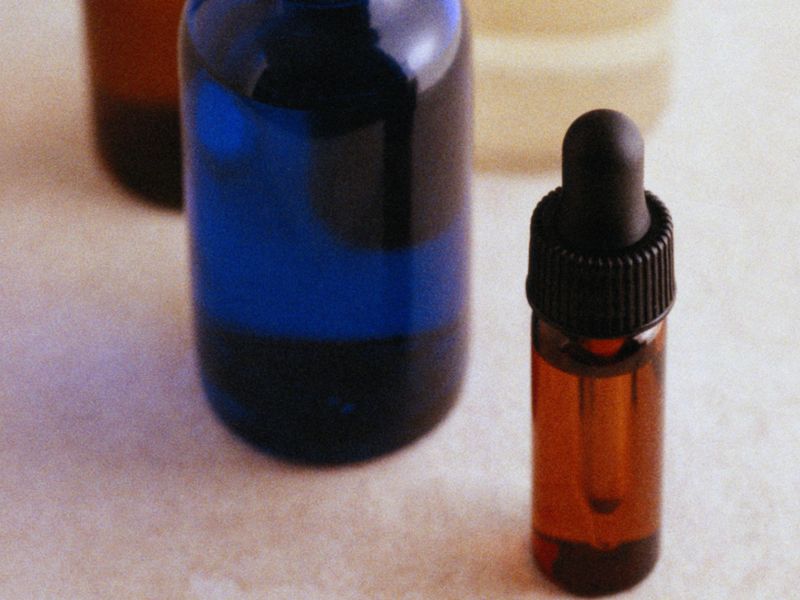
HealthDay news imageFRIDAY, May 13, 2016 (HealthDay News) — Children are increasingly at risk from essential oils that are often used in natural remedies, a Tennessee poison center reports.

Between 2011 and 2015, reports of toxic exposures to these oils — such as tea tree oil — doubled, the center said. Even more alarming, four out of every five cases were in children.

The oils, which are derived from plants and used in aromatic and homeopathic products, can cause harm when consumed. And children face a heightened risk from exposure, the experts said.

“The rule of thumb in toxicology is ‘the dose makes the poison,’ so all essential oils are potentially harmful,” said Dr. Justin Loden, a certified specialist at Vanderbilt University Medical Center’s Tennessee Poison Center.

“In children, poisoning typically occurs when they try to swallow the oil, but choke so that a little of it goes into the lungs, which causes pneumonia; it only takes less than half a teaspoonful to do that. This hazard applies to every essential oil,” Loden said in a university news release.

Children have also been poisoned by excessive or inappropriate application of essential oils to the skin, he added.

The oils, which have become increasingly popular in recent years, can be used in a variety of ways. These include diffusing them into the air by using a vaporizer or rubbing them on the skin, Loden explained.

But kids can be harmed by excessive application of these oils, because their skin is thinner and can absorb dangerous amounts. Children may also try to swallow the oils, which often have a pleasant smell, but then they choke due to the bitter taste and send the oil down into their airways and their lungs, Loden said.

Highly toxic essential oils include camphor, clove, lavender, eucalyptus, thyme, tea tree, and wintergreen oils, the researchers noted. Many essential oils can cause symptoms such as agitation, hallucinations and seizures. Symptoms may also include chemical burns, breathing problems, liver failure and brain swelling, among others.

While there are hundreds of essential oils, “tea tree oil is commonly cited, and most of those cases are accidental ingestions by children,” Loden said.

To keep kids and pets safe, Loden recommends storing essential oils properly — locked and out of reach. Follow instructions regarding their use, and seek help by calling Poison Control (1-800-222-1222 in the United States) in an emergency, he advised.


SOURCE: Vanderbilt University Medical Center, news release, May 10, 2016

HealthDay

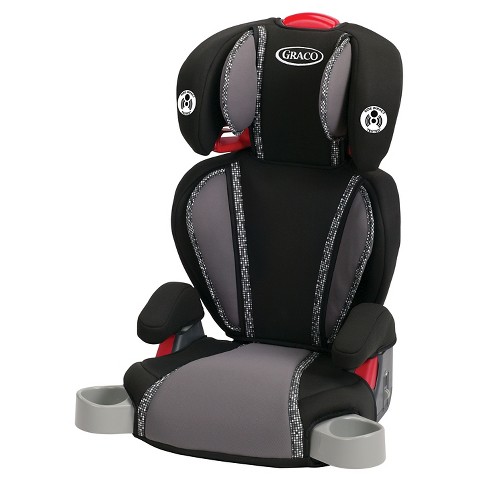
Graco Turbobooster Recall

NHTSA Campaign ID Number :   16C004


Synopsis :            Graco Children’s Products Inc. (Graco) is recalling certain Graco TurboBooster booster seats, models 1967886, 1963973, 1963974, 1963975, 1963976, and 1975173, manufactured between December 22, 2015, and April 5, 2016. The instructions for the booster seats are missing the information that the seats should be securely belted to the vehicle at all times, even if the seat is unoccupied. As such, these seats fail to comply with the requirements of Federal Motor Vehicle Safety Standard (FMVSS) number 213, “Child Restraint Systems.” In the event of a vehicle crash, an unoccupied and unsecured child restraint may strike other occupants and cause injury. Graco will notify registered owners and provide the missing printed instructions, free of charge. Non-registered owners can obtain the missing printed instructions by contacting Graco customer service at 1-800-345-4109. The recall is expected to begin on, or about, June 10, 2016.


turbobooster